

Slate Auto is challenging one of the biggest assumptions in the automotive industry: that every new vehicle needs more technology to be better.
For years, automakers have been locked in an arms race.
Bigger screens.
More sensors.
More subscriptions.
More software.
More complexity.
Every new vehicle launch seemed to follow the same formula: add more technology and call it innovation.
Then Slate Auto showed up with something unexpected.
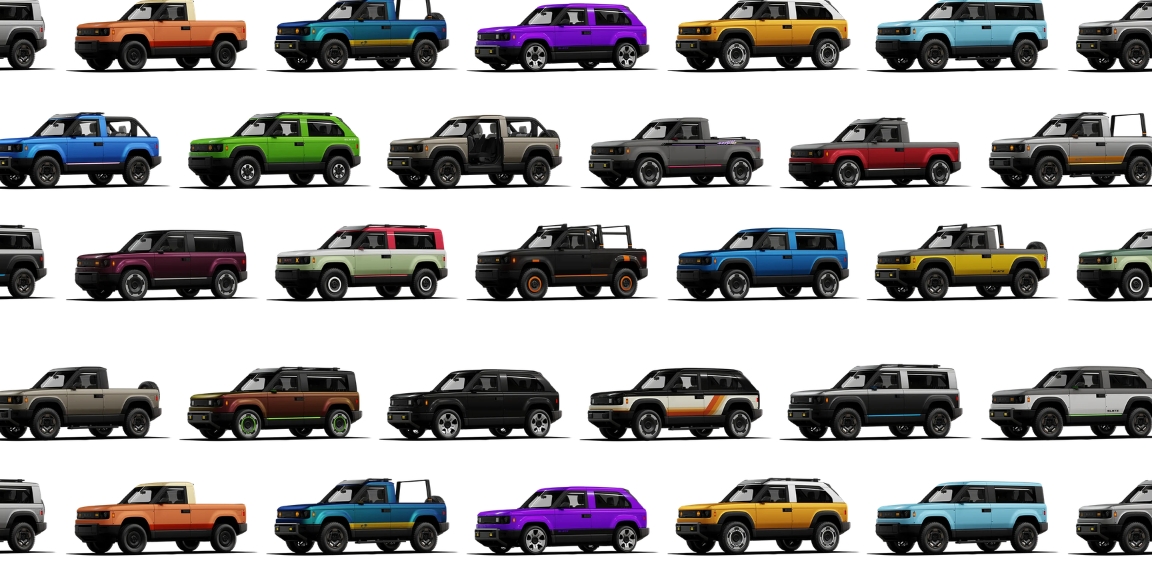
A simple electric pickup truck with manual windows, a minimalist interior, and a focus on affordability rather than luxury.
And suddenly, people started paying attention.
Slate Auto is a new American EV startup aiming to build one of the most affordable electric trucks on the market. Instead of competing on luxury features, the company is betting that practicality, customization, and simplicity still matter to everyday drivers.
The Truck Everyone Is Talking About
At first glance, Slate Auto’s vehicle doesn’t look revolutionary.
In fact, that’s exactly the point.
While much of the industry has focused on turning vehicles into rolling computers, Slate is betting that many drivers are tired of paying for features they never asked for.
Their approach is simple:
-
- Keep costs down
-
- Focus on practicality
-
- Allow owners to customize their vehicles
-
- Eliminate unnecessary complexity
It’s a bold strategy in a market where “more” has become the default answer to almost every problem.
Have Vehicles Become Too Complicated?
Modern vehicles are incredible pieces of engineering.
They’re safer, more efficient, and more capable than ever before.
But they’ve also become significantly more complicated.
Touchscreens control basic functions.
Software updates can affect vehicle performance.
Subscription services unlock features that are already installed.
Even simple repairs often require specialized tools and diagnostics.
For many drivers, the ownership experience feels increasingly disconnected from the vehicle itself.
The question Slate Auto is asking isn’t whether technology is bad.
It’s whether every vehicle needs quite so much of it.
Why Simplicity Is Resonating
The excitement surrounding Slate Auto isn’t really about manual windows.
It’s about what manual windows represent.
Control.
Transparency.
Ownership.
Many consumers are becoming more conscious of the long-term costs associated with vehicle ownership. They aren’t just evaluating monthly payments anymore. They’re thinking about repair costs, maintenance expenses, software dependencies, insurance premiums, and resale value.
A simpler vehicle can feel less intimidating and more predictable.
In a world where technology often adds complexity, simplicity can become a competitive advantage.
The Bigger Shift Happening in Automotive
Whether Slate Auto becomes a major success or not, they’re tapping into a growing sentiment among vehicle owners.
People want clarity.
They want transparency.
They want to understand what they own.
This shift extends beyond vehicle design.
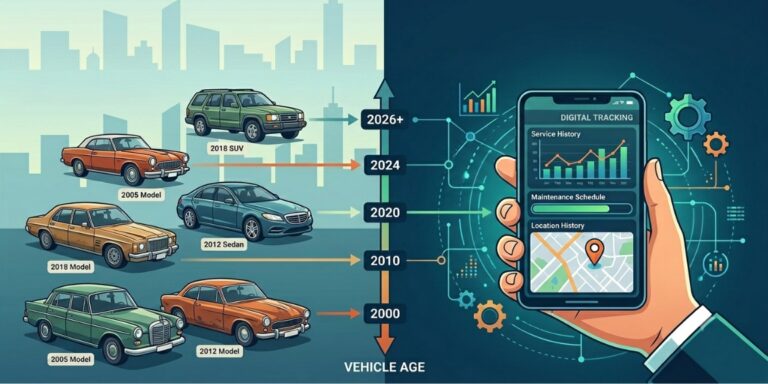
It’s influencing how people shop for vehicles, maintain them, track repairs, and make ownership decisions.
Drivers increasingly expect access to information that helps them understand the true condition and value of their vehicles.
What This Means for Vehicle Owners
The future of vehicle ownership isn’t about choosing between technology and simplicity.
It’s about using technology in ways that reduce complexity rather than create it.
Drivers shouldn’t have to dig through paperwork to find maintenance records.
They shouldn’t wonder when a service was performed.
They shouldn’t be surprised by issues that could have been identified earlier.
Technology works best when it provides clarity.
Not confusion.
The AutoDex Perspective
That’s one reason why the conversation around Slate Auto is so interesting.
The company is challenging assumptions about what a modern vehicle should be.
At AutoDex, we’re focused on a related question:
How can vehicle ownership become simpler, smarter, and more transparent?
Whether you drive a brand-new EV, a family SUV, or a ten-year-old pickup truck, understanding your vehicle’s history, maintenance, health, and value is becoming increasingly important.
Because at the end of the day, vehicle ownership isn’t about having the most technology.
It’s about having the right information to make better decisions.
Whether Slate Auto succeeds or fails, it has already sparked an important conversation about what drivers actually want from vehicle ownership.
More features aren’t always the answer.
More clarity is.
At AutoDex, we believe the future of vehicle ownership isn’t just about smarter vehicles—it’s about helping drivers make smarter decisions.
And if Slate Auto has proven anything, it’s that sometimes less really can be more.